Why the Right Serveware Matters for Food Presentation and Hosting
Learn how the right serveware improves food presentation, hosting and dining. Explore practical tips for choosing bowls, trays, baskets and serving pieces.
When you are hosting a family meal, festive gathering, dinner party or even a casual weekend snack session, the way food is served can make a noticeable difference. The same dish can look completely different depending on the bowl, tray, platter or serving piece used to present it. This is where the right serveware becomes an important part of the dining experience.
Serveware is not limited to decorative pieces. The right serving bowls, trays, baskets, platters, cups and covered serving pieces can make food easier to serve, keep the dining table organised and create a more coordinated look. For homes that regularly host guests, investing in practical and attractive serveware can also make everyday dining feel more considered.
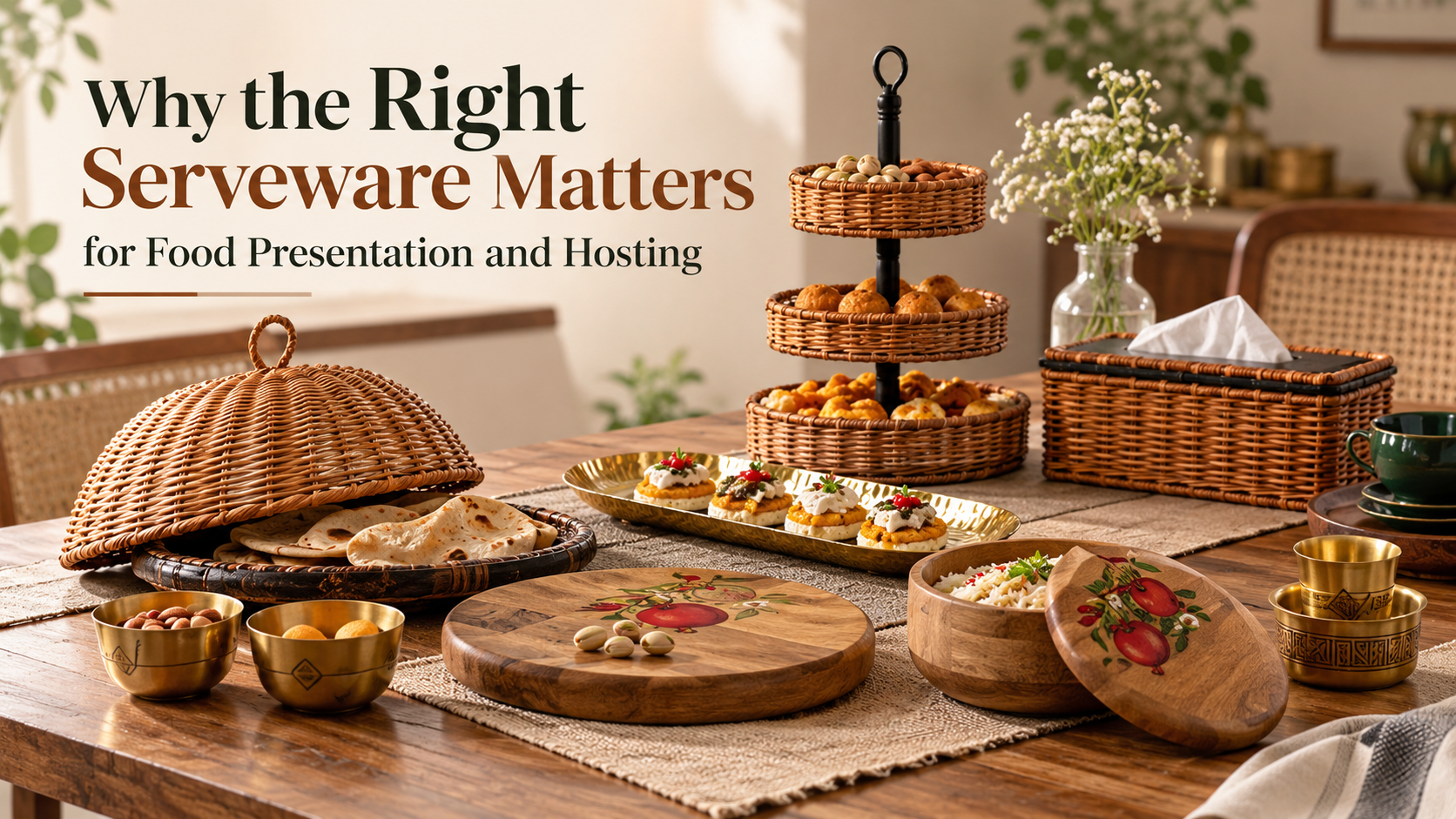
Peepul Tree offers a range of serveware-inspired pieces featuring materials and designs suited to different serving needs. From woven baskets and covered food containers to wooden serving pieces, metallic bowls and traditional-looking serving cups, these products can be used to create a warm and visually appealing table setting.
What Makes Serveware Important for Food Presentation?
Food presentation is about more than making a dish look attractive. It also involves choosing serving pieces that suit the type of food, the number of people being served and the overall dining setup.
For example, a small bowl may be suitable for nuts or snacks, while a larger serving bowl can work better for shared dishes. A wooden serving piece can create a rustic presentation for dry snacks, while metallic serveware can bring a more traditional character to the table.
Good serveware helps you:
Present food in an organised manner
Separate different dishes and accompaniments
Make shared meals easier to serve
Create a coordinated dining table
Keep certain food items covered when needed
Add decorative value without overcrowding the table
Adapt the table setting for everyday meals or special occasions
The key is not simply to buy more pieces. It is to choose serveware that has a clear purpose and works with the way you actually serve food at home.
How the Right Serveware Improves Food Presentation
1. It Gives Every Dish Its Own Space
A crowded table can make even a well-prepared meal appear untidy. Using appropriately sized serving bowls and trays gives different dishes their own space.
For example, small metallic bowls can be useful for dry snacks, nuts, condiments or accompaniments. Larger pieces can be reserved for items that need to be shared among several people.
This makes it easier for guests to identify and serve themselves without disturbing other dishes.
2. It Adds Texture and Visual Interest
Using serveware made from different materials can create depth on a dining table.
Peepul Tree's range includes woven designs, wooden serving pieces and metallic-looking products. Woven baskets can introduce a natural texture, while wooden pieces can create a warm, earthy appearance. Metallic serveware can provide a more traditional or festive feel.
Rather than using identical pieces throughout the table, combining complementary textures can create a more interesting setup.
3. Covered Serveware Helps With Practical Hosting
Covered serving pieces are particularly useful when food needs to remain protected between preparation and serving.
Woven serving baskets with lids or covered food containers can be useful for items such as snacks, bread, dry foods and other suitable dishes. They can also make the dining area look more organised because the contents are neatly contained.
For hosts, this combination of presentation and practicality can be more valuable than purely decorative serveware.
Choosing Serveware According to What You Are Serving
One of the most important buying considerations is the food you plan to serve.
Different foods require different shapes and serving formats.
For Snacks and Dry Foods
Small bowls and compact serving pieces work well for:
Nuts
Dry snacks
Makhana
Chips
Namkeen
Small appetisers
Chocolates and sweets
The smaller metallic bowls shown in the Peepul Tree collection can work particularly well for individual or shared snack portions.
For Bread and Similar Foods
Covered baskets can be useful for keeping bread, rotis, buns or other suitable dry foods neatly arranged on the table.
A lidded woven basket also adds a decorative element while keeping the contents contained.
For Snacks and Starters
Wooden serving boards and trays can be useful for presenting dry starters, appetisers and snack combinations. Their natural appearance works particularly well when you want a casual or rustic table setting.
A wooden serving piece can also be used as a base for arranging multiple smaller portions.
For Tea and Beverage Service
Small metallic cups and traditional-style serving pieces can be used when creating a coordinated tea or beverage presentation.
Instead of placing cups randomly around the table, using a dedicated tray or serving setup can make the experience feel more organised.
Serveware for Everyday Dining vs Hosting Guests
You do not need an elaborate dining collection for everyday meals. The better approach is to maintain a versatile selection that can work across different situations.
For everyday dining, prioritise:
Easy-to-use serving bowls
Medium-sized trays
Snack bowls
Practical covered containers
Simple serving pieces
For entertaining guests, you can add pieces that have stronger decorative appeal, such as woven baskets, tiered serving stands, decorative wooden pieces and traditional metallic serveware.
The advantage of choosing versatile serveware is that the same products can transition from an ordinary family meal to a small gathering without requiring a completely different table setup.
Using Woven Serveware for a Warm Table Setting
Woven serveware can be particularly effective when you want to create a natural and relaxed dining atmosphere.
The Peepul Tree collection shown includes several woven basket-style products in different shapes and configurations. There are covered baskets, rectangular storage-style baskets, round pieces and tiered arrangements.
These can be used for different purposes around the dining and serving area.
For example, a covered woven basket can hold suitable dry food items, while a tiered stand can help organise snacks or decorative food arrangements vertically.
The biggest advantage of tiered serveware is that it uses vertical space. This can be helpful when you are hosting and want to serve multiple items without filling the entire table surface.
Why Serving Trays and Boards Matter
Serving trays and boards are often underestimated when building a serveware collection.
A good tray can help you move several items from the kitchen to the dining area in one go. It can also create a defined serving zone on the table.
Wooden serving boards are especially useful when presentation matters. They can be used to arrange snacks, appetisers and other suitable dry foods in a way that feels more informal than conventional dinnerware.
When choosing a serving tray or board, consider:
Size
Shape
Weight
Ease of handling
Surface area
Cleaning requirements
Compatibility with your existing tableware
A large piece is not always better. If it is difficult to lift or takes up too much table space, it may be less useful in everyday situations.
How to Coordinate Serveware With Your Dining Table
Your serveware does not have to match everything on your table perfectly. Instead, aim for visual coordination.
If your dining area has wooden furniture, woven and wooden serving pieces can complement the setting naturally.
For a more traditional dining setup, metallic bowls and cups can work well alongside classic tableware.
For festive occasions, you can combine:
Metallic serving bowls
Wooden serving pieces
Decorative trays
Covered baskets
Tiered serving stands
The goal is to create balance rather than place every decorative item on the table at once.
Common Serveware Buying Mistakes to Avoid
Buying serveware based only on appearance can lead to products that look good but rarely get used.
Buying Too Many Similar-Sized Pieces
If most of your serving bowls have the same capacity, you may find yourself without suitable pieces for larger dishes or smaller accompaniments.
Build your collection gradually with different sizes and functions.
Ignoring Storage
Woven baskets, tiered stands and larger serving pieces can occupy considerable space. Before buying, think about where you will store them when they are not being used.
Choosing Pieces Without Considering the Food
A decorative piece may not be practical for every type of food. Consider whether it is suitable for dry snacks, accompaniments, bread, appetisers or other dishes you commonly serve.
Focusing Only on Special Occasions
Serveware should not sit unused in a cabinet for most of the year. Choose versatile pieces that can be used for everyday meals as well as gatherings.
Overcrowding the Dining Table
More serveware does not automatically mean better presentation. Too many bowls, trays and decorative pieces can make the table difficult to use.
Select only the pieces required for the meal and leave enough space for guests to eat comfortably.
How to Build a Practical Serveware Collection
If you are starting from scratch, you do not need to purchase everything at once.
Begin with a few versatile pieces, such as:
Small serving bowls for nuts, snacks and accompaniments.
Medium serving bowls for shared side dishes.
A serving tray for carrying and presenting multiple items.
A wooden serving board for snacks and appetisers.
A covered basket for suitable dry foods and bread.
A tiered serving stand for occasions when you need additional serving space.
Decorative metallic pieces for traditional or festive presentations.
This gives you a flexible foundation that can be expanded according to your dining habits.
Why Material and Finish Should Influence Your Choice
The material and finish of serveware affect both appearance and usability.
Woven pieces generally bring a natural, handcrafted look to a table. They can be particularly suitable for relaxed interiors and rustic-inspired dining arrangements.
Wooden serveware tends to create a warm and understated presentation. It can work well with casual meals, snacks and appetiser arrangements.
Metallic serveware can create a more traditional appearance and can be especially appropriate for festive dining or occasions where you want the table to have a richer visual character.
When selecting a piece, think about how it will work with your existing dinnerware rather than purchasing every item based on its individual appearance.
Making the Most of Peepul Tree Serveware
The Peepul Tree serveware collection shown includes a variety of serving formats, from small bowls and cups to wooden pieces, woven baskets, covered containers, trays and tiered stands.
This variety makes it possible to create different table arrangements without relying on one type of serving piece.
For a casual evening, you could combine wooden serving pieces with small bowls for snacks. For a family meal, larger serving pieces can be used for shared dishes and accompaniments. For entertaining, covered baskets and tiered stands can help create a more structured presentation.
The important point is to select products according to the occasion, food and available table space.
Frequently Asked Questions About Serveware
What is serveware used for?
Serveware is used to hold, present and serve food and beverages during meals or gatherings. Common examples include serving bowls, trays, platters, baskets, boards, cups and covered serving containers.
How do I choose the right serveware?
Start by considering what you usually serve, how many people you host, the available storage space and your dining table style. Choose a combination of small, medium and larger pieces rather than buying several identical products.
Is serveware only useful for special occasions?
No. Good serveware can be used for everyday family meals, snacks, tea time and weekend gatherings. Versatile pieces provide better value because they can serve multiple purposes.
What type of serveware is best for snacks?
Small bowls, wooden serving boards, trays and suitable covered baskets can all work well for snacks. The best choice depends on the type and quantity of food being served.
Why use covered serveware?
Covered serveware can help keep suitable food items contained and protected before and during serving. It can also make the dining table look more organised.
Are tiered serving stands useful?
Yes. Tiered stands can be useful when serving several items while keeping the table footprint relatively compact. They are particularly helpful for snacks, appetisers and decorative food arrangements.
How can I make serveware look coordinated?
Choose pieces with complementary materials, shapes or finishes. For example, wooden and woven pieces can create a natural look, while metallic pieces can add a more traditional character. Avoid overcrowding the table.
What should I consider before buying serveware online?
Check the product dimensions, material, intended use, design, cleaning requirements and available storage space. Also consider whether the piece can be used for more than one type of meal or occasion.
Conclusion
The right serveware can make hosting easier while improving the way food is presented. Instead of treating serving pieces as purely decorative accessories, consider them practical tools for organising food, creating better table arrangements and making shared dining more comfortable.
A useful collection can include small bowls for snacks and accompaniments, wooden serving pieces for casual presentation, metallic pieces for traditional settings, and woven or covered baskets for organised serving. Tiered stands and trays can add even more flexibility when entertaining guests.
With its range of woven baskets, covered serving pieces, wooden designs, metallic bowls and other serving accessories, Peepul Tree offers options for creating different dining setups based on the occasion and your personal style.
Choose pieces that you will genuinely use, complement your existing tableware and suit the foods you regularly serve. That approach will help you build a serveware collection that looks good on the table and remains useful long after the occasion is over.