French Press vs Instant Coffee: Which Makes Better Coffee at Home?
French Press vs Instant Coffee: Compare taste, aroma, brewing time, cost, and convenience to find the best way to make coffee at home.
Making coffee at home is no longer just about convenience. Many coffee drinkers now pay attention to flavour, aroma, brewing methods, and the overall experience of preparing their daily cup. Two popular options are instant coffee and freshly brewed coffee made using a french press. While both can produce an enjoyable drink, they differ in preparation, taste, texture, cost, and the level of control they offer.
Understanding these differences can help you decide which brewing method best suits your preferences, schedule, and coffee-drinking habits.
What Is French Press Coffee?
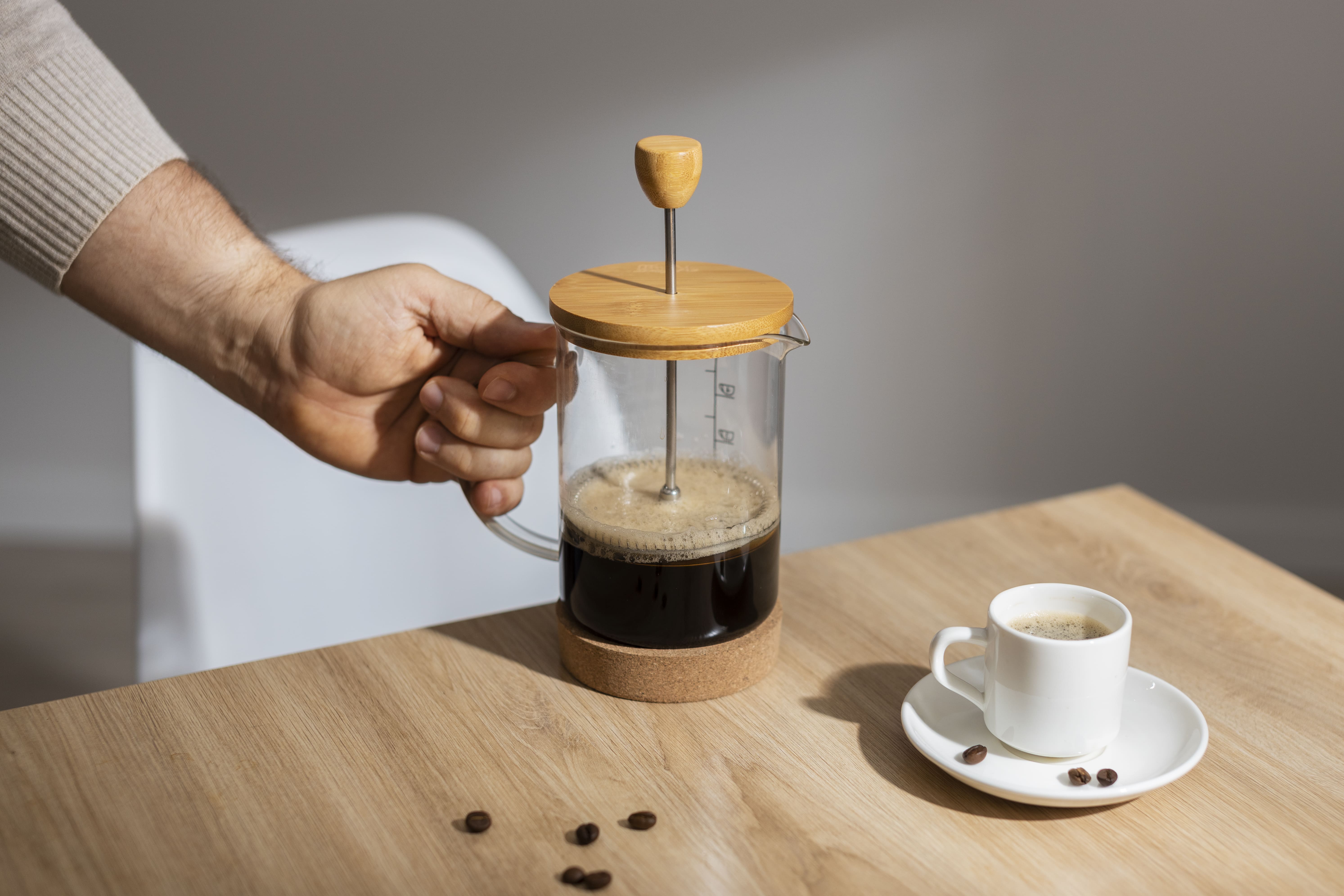
A french press is a manual coffee brewing device consisting of a container, a plunger, and a metal mesh filter. It uses an immersion brewing method, where ground coffee remains in contact with hot water before being separated using the plunger.
Unlike methods that use paper filters, the metal mesh allows some natural coffee oils and fine particles to pass into the cup. This often produces a fuller body and richer mouthfeel.
The brewing process typically takes around four minutes, although the ideal time depends on the coffee beans, grind size, and personal preference.
What Is Instant Coffee?
Instant coffee is made from brewed coffee that has been dehydrated into soluble granules or powder. When hot water is added, the coffee dissolves almost immediately.
Its biggest advantage is convenience. You do not need grinding equipment, a brewing device, or a separate filtration process.
Instant coffee is particularly useful for busy mornings, workplace breaks, or situations where preparing freshly brewed coffee is not practical.
French Press vs Instant Coffee: Key Differences
1. Taste and Flavour
Flavour is often the biggest deciding factor between the two methods.
Coffee prepared using a french press generally offers a fuller flavour profile because ground coffee is brewed directly in hot water. Depending on the beans, you may notice chocolatey, nutty, fruity, or earthy characteristics.
Instant coffee usually has a more straightforward flavour profile. Its taste depends heavily on the quality of the coffee and the manufacturing process.
High-quality instant coffee can still taste enjoyable, but freshly brewed coffee generally provides more opportunities to experience the characteristics of different beans.
2. Aroma and Freshness
Aroma contributes significantly to the coffee-drinking experience.
Freshly ground beans release aromatic compounds during brewing, creating the distinctive smell associated with freshly prepared coffee.
A french press allows these aromas to develop as the grounds interact with hot water. The result can feel more satisfying for people who enjoy the preparation process.
Instant coffee retains some coffee aroma, but certain volatile aromatic compounds may be reduced during processing and storage.
3. Brewing Time and Convenience
Instant coffee is the clear winner when speed matters. Simply add the required quantity to a cup, pour in hot water, and stir.
Manual brewing takes more effort. You need to measure coffee, heat water, allow sufficient brewing time, press the plunger, and clean the equipment afterward.
However, a french press does not require electricity to operate. Once hot water is available, the brewing process is straightforward.
For someone who enjoys a relaxed morning routine, the additional preparation time may be worthwhile.
4. Control Over Coffee Strength
Both methods allow some adjustment, but they provide different levels of control.
With instant coffee, you can increase or decrease the quantity of powder to change the strength of the drink.
With a french press, you can adjust the coffee-to-water ratio, grind size, brewing time, and water temperature. These variables influence extraction and allow greater experimentation.
This flexibility is particularly useful for people who want to develop their preferred brewing technique.
5. Texture and Mouthfeel
Texture is another noticeable difference.
Instant coffee generally produces a relatively clean, smooth drink because the soluble coffee dissolves in water.
Coffee brewed through a metal mesh filter can contain more natural oils and fine sediment. This creates a heavier mouthfeel that some drinkers prefer.
However, people who dislike sediment may find instant coffee more suitable.
6. Cost Per Cup
The cost depends on the coffee quality, serving size, and equipment used.
Instant coffee requires minimal preparation equipment, making it accessible for occasional coffee drinkers.
A french press involves an initial equipment purchase, along with recurring costs for ground coffee or whole beans. A grinder may also be useful, although pre-ground coffee can be used.
Over time, the cost per cup varies considerably depending on the beans and instant coffee products selected.
Which Method Is Easier to Clean?
Instant coffee requires almost no additional cleaning beyond washing the cup and spoon.
Manual brewing requires removing used grounds, rinsing the container, and cleaning the plunger and filter regularly.
A french press with removable components can make thorough cleaning more convenient. Proper maintenance helps prevent old coffee oils and residue from affecting the flavour of future brews.
Which Is Better for Different Coffee Drinkers?
The best option depends on what you expect from your daily coffee.
Instant coffee is suitable for people who prioritise speed, minimal preparation, and convenience. It also works well when brewing equipment or time is limited.
Freshly brewed coffee is better suited to those who enjoy experimenting with coffee beans, adjusting brewing variables, and experiencing different flavours and textures.
If you regularly drink black coffee and appreciate its natural aroma, a manual brewing method may offer a more engaging experience.
Tips for Making Better Coffee at Home
Regardless of your preferred method, a few practices can improve your results.
Use fresh, clean water and follow the recommended coffee-to-water ratio. Avoid excessively hot water when the coffee manufacturer's instructions recommend a lower temperature.
For manual brewing, choose a medium-coarse grind and begin with approximately four minutes of steeping. Adjust according to taste.
For instant coffee, follow the recommended serving quantity and store the product in a tightly closed container away from moisture.
Final Verdict: Which Makes Better Coffee?
There is no single winner for every coffee drinker. Instant coffee excels in convenience, quick preparation, and minimal cleanup. Freshly brewed coffee offers greater control over flavour, aroma, strength, and texture.
For people who value a richer brewing experience and enjoy experimenting with coffee, a french press can be a worthwhile addition to the kitchen. However, if speed and simplicity matter most, instant coffee remains a practical choice.
Ultimately, better coffee is the one that matches your taste preferences, daily routine, and the amount of effort you want to put into preparing each cup.