Fruit Powder in Modern Cooking: Creative Uses for Colour, Flavour and Convenience
Fruit Powder offers a convenient way to explore fruit flavours, add colour, and experiment with new recipes. From smoothies and breakfast bowls to baked goods, yoghurt, and refreshing drinks, it can make everyday cooking more flexible and creative.
Modern cooking is all about finding convenient ingredients that deliver flavour, creativity, and versatility without making food preparation complicated. From colourful smoothies to homemade desserts and baked treats, fruit-based ingredients offer countless ways to experiment in the kitchen. Fruit Powder has become a useful option for home cooks and food enthusiasts who want to incorporate fruit flavours into recipes without always relying on fresh fruit.
Made by processing fruit into a dry, powdered form, this ingredient can offer concentrated flavour and convenient storage. Depending on the fruit and production method, it may also retain some of the fruit's naturally occurring nutrients. Whether you enjoy preparing breakfast bowls, refreshing beverages, or creative desserts, fruit powders can add a distinctive touch to everyday cooking.
What Is Fruit Powder?
Fruit powder is generally produced by drying fruit and processing it into a fine powder. Different techniques, including freeze-drying and spray-drying, may be used depending on the fruit and intended application. The final texture, colour, flavour, and nutritional composition depend on the processing method and whether additional ingredients are used.
Popular varieties include mango, strawberry, banana, blueberry, raspberry, apple, and pineapple powder. Each offers its own flavour profile, making it possible to explore different combinations in sweet and savoury recipes.
Unlike fresh fruit, powdered varieties contain little moisture and are often easier to store and measure. However, they are not always a direct nutritional or culinary replacement for fresh fruit. Some products contain added sugar or carriers, so checking the ingredient label is important when choosing a suitable option.
Why Fruit Powders Are Useful in Modern Cooking
One of the main advantages of fruit powders is convenience. Fresh fruit may need washing, peeling, chopping, or blending before use. Powdered alternatives can simplify certain recipes, particularly when you need a small amount of fruit flavour.
Convenient Storage
Because fruit powders generally contain less moisture than fresh fruit, they can be easier to store and use in small quantities. Their shelf life varies according to processing, packaging, and storage conditions, so always follow the manufacturer's instructions.
Consistent Flavour
Fruit powders make it easier to measure and repeat ingredient quantities across different batches of a recipe. This can be helpful when preparing smoothies, frosting, pancake mixes, or homemade snack blends.
Versatile Applications
From drinks and desserts to breakfast foods and sauces, fruit powders can be incorporated into numerous recipes. Their versatility makes them useful for cooks who enjoy experimenting with flavours and textures.
Creative Ways to Use Fruit Powder
There are many ways to introduce fruit powders into everyday meals. Start with small quantities and adjust according to the flavour and texture you want to achieve.
1. Add Flavour to Smoothies
Smoothies are one of the simplest ways to use fruit powder. Add a small amount of strawberry, mango, or banana powder to milk, yoghurt, or a plant-based beverage. Blend with ingredients such as oats, nut butter, or fresh fruit to create a flavourful breakfast or snack.
Fruit powder can also be useful when you want a particular fruit flavour without preparing or storing several different fresh fruits. However, it does not automatically replace the fibre, moisture, or texture of whole fruit.
2. Enhance Cakes and Baked Goods
Fruit powders can bring colour and flavour to cakes, muffins, cookies, pancakes, and homemade bread. Strawberry powder, for example, can add a fruity note to cake batter or buttercream, while banana powder can complement muffins and breakfast loaves.
When adding powder to a baking recipe, consider the amount of dry ingredients already present. Too much powder may affect the texture or make the flavour overly intense. Start with a small quantity and adjust after testing the result.
3. Create Colourful Breakfast Bowls
Breakfast bowls offer an easy way to experiment with fruit flavours. Sprinkle mango powder over yoghurt, blend berry powder into overnight oats, or mix banana powder into porridge.
You can also use fruit powders in homemade granola blends. Combine them with oats, seeds, nuts, and other ingredients, following appropriate preparation methods to avoid moisture-related storage problems.
4. Prepare Homemade Drinks
Fruit powders can be mixed into water, lemonade, mocktails, and other beverages to add flavour. For example, pineapple powder can bring a tropical note to a refreshing drink, while raspberry powder can complement lemon-based beverages.
Mix the powder thoroughly to reduce clumping. Some products dissolve more easily than others, so follow the manufacturer's recommendations for preparation. If the product contains added sugar, account for it when adjusting the sweetness of the drink.
5. Make Flavoured Yoghurt and Desserts
Plain yoghurt, pudding, ice cream, and dessert creams can all be adapted with fruit powders. Mix a small amount into yoghurt for a quick fruit-flavoured snack, or incorporate it into frosting and dessert fillings.
Fruit powder can also be used in homemade energy bites alongside oats, nut butter, and seeds. These ingredients allow you to experiment with different flavours, although the final nutritional value depends on the complete recipe.
Using Fruit Powder for Natural-Looking Colour
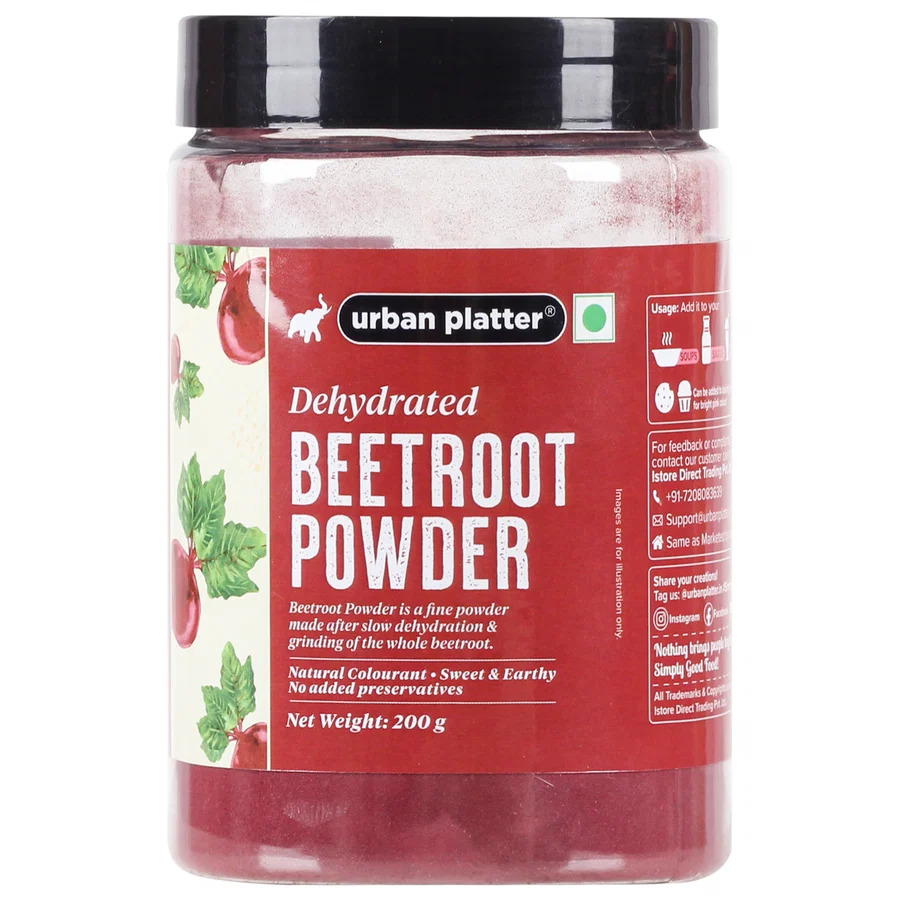
Fruit powders can contribute colour to food, which makes them useful for creative presentation. Strawberry and raspberry powders may add pink or reddish tones, while mango powder can create a warm yellow-orange appearance.
The final colour depends on the fruit, processing method, recipe acidity, temperature, and other ingredients. Colours may change during baking or cooking, so it is worth testing a small batch before preparing a larger quantity.
For the best results, choose products with clearly listed ingredients and avoid assuming that every fruit powder is completely free from added colourings or sweeteners.
Tips for Choosing and Storing Fruit Powder
Quality and storage matter when using powdered ingredients regularly.
Check the ingredient list: Look for the fruit content and identify any added sugar, starches, flavourings, or carriers.
Choose the right variety: Select a powder that suits your recipe, whether you need a tart berry flavour, tropical sweetness, or a mild banana note.
Follow storage instructions: Keep the product in its recommended packaging and protect it from moisture, heat, and direct sunlight.
Use clean, dry utensils: Introducing moisture can cause clumping and may shorten the product's usable life.
Check freshness: Follow the expiry or best-before date and discard products showing unusual odours, discolouration, or signs of spoilage.
If you have food allergies or dietary requirements, check the label for allergen and cross-contact information.
Final Thoughts
Fruit Powder offers a convenient way to explore fruit flavours, add colour, and experiment with new recipes. From smoothies and breakfast bowls to baked goods, yoghurt, and refreshing drinks, it can make everyday cooking more flexible and creative.
The key is to choose a suitable product, understand its ingredients, and adjust quantities according to the recipe. While fruit powder can complement fresh fruit and other whole-food ingredients, it should not automatically be considered a complete replacement for them. With thoughtful use and proper storage, it can become a versatile addition to a modern kitchen.