Is Edamame Good for Weight Loss?
Losing weight becomes easier when your daily meals include foods that help you feel full and provide essential nutrients. Protein-rich snacks can be particularly useful because they may help control hunger between meals. Edamame is one such option that has gained attention among people looking for nutritious, plant-based foods. It is made from young soybeans and provides protein, fibre, and several important vitamins and minerals.
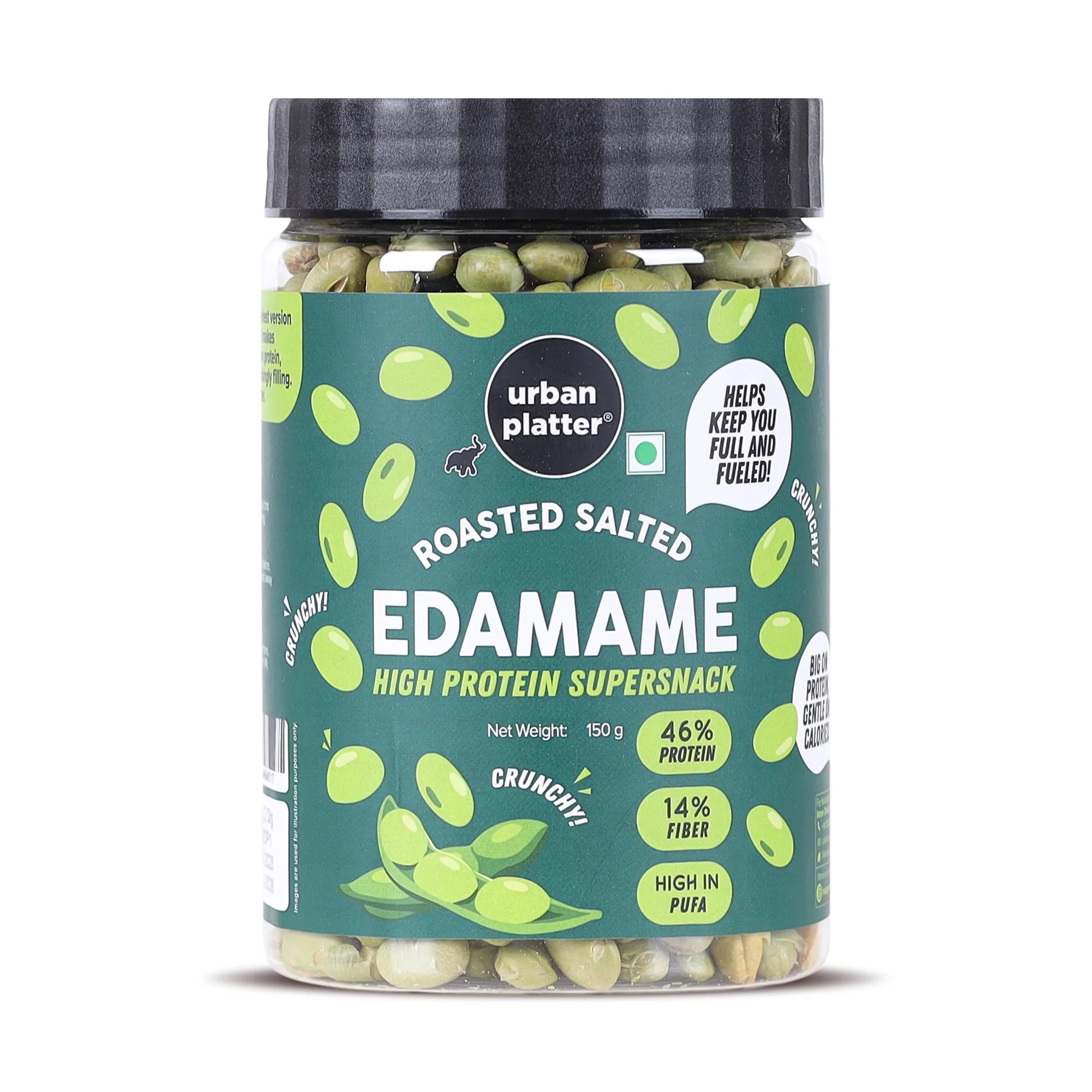
Losing weight becomes easier when your daily meals include foods that help you feel full and provide essential nutrients. Protein-rich snacks can be particularly useful because they may help control hunger between meals. Edamame is one such option that has gained attention among people looking for nutritious, plant-based foods. It is made from young soybeans and provides protein, fibre, and several important vitamins and minerals.
Roasted edamame is a convenient snack for people who want something crunchy without relying on conventional fried snacks. However, its suitability for weight loss depends on portion size, preparation method, total calorie intake, and your overall eating habits. Understanding its nutritional benefits can help you decide whether it deserves a place in your daily diet.
What Is Edamame?
Edamame refers to young, green soybeans harvested before they fully mature. They are commonly eaten in Asian cuisines and are available in fresh, frozen, steamed, and roasted forms. Unlike many snack foods made primarily from refined carbohydrates, edamame naturally provides plant-based protein and dietary fibre.
Roasted varieties are prepared by removing moisture from the soybeans to create a crisp texture. Depending on the product, they may contain added salt, spices, oil, or other seasonings. This makes them convenient for work breaks, travel, or a quick snack at home.
Is Roasted Edamame Good for Weight Loss?
Yes, roasted edamame can be a useful snack for weight management when eaten in appropriate portions as part of a balanced diet. Its protein and fibre content can support fullness, helping some people manage hunger between meals.
However, no individual food directly causes weight loss. Weight loss generally requires maintaining a calorie deficit, which means consuming fewer calories than your body uses over time. Roasted edamame can support this goal when it replaces less nutritious, calorie-dense snacks rather than simply adding extra calories to your daily intake.
Here are the main reasons it may be helpful.
1. Provides Plant-Based Protein
Protein plays an important role in maintaining muscle mass, supporting normal body functions, and promoting satiety. Getting enough protein during weight loss can also help preserve lean muscle when combined with appropriate physical activity.
Soybeans are a complete plant protein, meaning they contain all nine essential amino acids. This makes edamame a useful option for vegetarians, vegans, and anyone seeking alternatives to animal-based protein sources.
Including a measured portion of roasted edamame in your snack routine can help increase your protein intake. It can be particularly useful when your usual snacks contain mostly refined carbohydrates and provide little protein.
2. Contains Dietary Fibre
Dietary fibre supports digestive health and can help meals feel more satisfying. Edamame naturally contains fibre, which works alongside protein to make it a more substantial snack than many low-protein alternatives.
Feeling satisfied after eating can make it easier to manage unnecessary snacking. However, individual responses vary, and fibre alone does not guarantee reduced calorie intake.
For the best results, combine fibre-rich snacks with vegetables, fruits, whole grains, and other nutritious foods throughout the day.
3. May Help Manage Between-Meal Hunger
Hunger between meals can make it difficult to follow a consistent eating plan. Choosing a snack that provides both protein and fibre may help you feel satisfied until your next meal.
Roasted edamame offers a crunchy texture that can also make it a practical alternative to chips or other packaged snacks. If you enjoy savoury foods, a lightly seasoned variety may help satisfy that preference while providing more protein than many conventional snack options.
The key is substitution. Replacing a less nutritious snack with a suitable portion of roasted edamame may help improve your overall diet quality.
4. Provides Important Nutrients
Edamame contains nutrients such as folate, iron, potassium, and magnesium, although the amounts vary with processing and serving size. These nutrients contribute to normal bodily functions, including red blood cell formation, energy metabolism, and muscle and nerve function.
Choosing nutrient-dense foods is valuable during weight management because reducing calories should not mean neglecting essential nutrients.
Roasted edamame can contribute to a balanced diet, but it should not replace a varied selection of vegetables, fruits, whole grains, and other protein sources.
How Much Roasted Edamame Should You Eat?
The appropriate serving depends on the product's calorie content, your daily energy needs, and the rest of your diet. A practical starting point is around 25–30 grams, provided the nutrition label supports that portion within your calorie goals.
Check the package for calories, protein, fibre, sodium, and added oils. Brands can vary widely, so don't assume every roasted edamame product offers the same benefits.
Measure your portion instead of eating directly from a large packet. This simple habit helps you track how much you consume.
How to Include Roasted Edamame in Your Diet
You can enjoy roasted edamame in several simple ways:
As a mid-morning snack: Eat a measured portion when you need something between breakfast and lunch.
During work breaks: Keep a suitable portion available as an alternative to biscuits or fried snacks.
Alongside fresh fruit: Combine it with fruit for a snack that offers different nutrients and textures.
As a salad topping: Add a small amount for crunch and extra plant protein.
After physical activity: Include it in a broader recovery snack, depending on your protein and energy requirements.
Choose varieties with moderate sodium and limited added oil or sugar when these ingredients are relevant to your dietary goals.
What Should You Check Before Buying Roasted Edamame?
Not all packaged snacks have the same nutritional value. Before choosing a product, review the nutrition label and ingredient list.
Look for a reasonable serving size, useful protein content, and limited unnecessary additives. If you are monitoring your sodium intake, compare the sodium levels of different varieties. Flavoured products may contain more salt or added ingredients than plain roasted edamame.
Also consider the product's price per serving and packaging convenience if you plan to include it regularly in your diet.
Are There Any Precautions?
Edamame is made from soybeans, so people with a soy allergy should avoid it. Some individuals may experience digestive discomfort from soy foods, particularly when consuming large quantities.
Packaged roasted edamame can also be high in sodium, depending on its seasoning. If you have a medical condition requiring dietary restrictions, follow advice from your healthcare professional.
Remember that portion control remains important. Even nutritious foods contribute calories, and eating more than your body needs can make weight loss harder.
Final Thoughts
Roasted edamame can be a practical addition to a weight-loss diet because it provides plant-based protein, dietary fibre, and useful nutrients in a convenient, crunchy form. It may help manage between-meal hunger when consumed in a suitable portion and used to replace less nutritious snacks.
For sustainable weight management, focus on your overall calorie intake, balanced meals, regular physical activity, sleep, and consistent habits. Choose roasted edamame based on its nutrition label, keep portions in check, and combine it with a varied diet rather than relying on any single food to achieve your goals.