How a Stabilizer for 1.5 Ton AC Protects Your Air Conditioner
A stabilizer for a 1.5 ton AC is designed to regulate incoming voltage and provide a more suitable output to the connected appliance. Understanding how it works can help homeowners choose the right capacity, operating range, and protection features for their air conditioner.
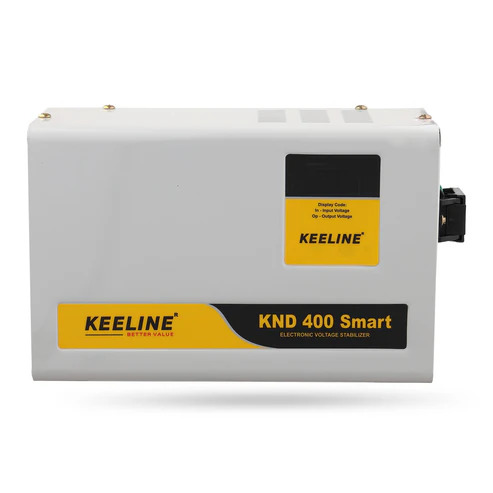
A 1.5 ton air conditioner can provide reliable cooling, but its electrical components depend on a stable voltage supply. Voltage fluctuations, sudden surges, and prolonged low-voltage conditions can affect the performance of an AC and may put stress on components such as the compressor, PCB, fan motor, and other electrical circuits. This is why choosing a suitable voltage stabilizer can be an important part of protecting an air conditioner, particularly in areas where the electricity supply is inconsistent.
A stabilizer for a 1.5 ton AC is designed to regulate incoming voltage and provide a more suitable output to the connected appliance. Understanding how it works can help homeowners choose the right capacity, operating range, and protection features for their air conditioner.
Why Does a 1.5 Ton AC Need Voltage Protection?
Modern air conditioners contain sensitive electronic and electrical components. When the incoming voltage moves significantly above or below the recommended range, the AC may not operate efficiently.
Low voltage can increase the electrical stress on motors and compressors, while high voltage can potentially damage electronic components. Repeated fluctuations may also result in unexpected shutdowns, reduced cooling, or increased wear over time.
A suitable stabilizer helps manage these variations by correcting the voltage before it reaches the air conditioner.
How Does an AC Stabilizer Work?
An AC voltage stabilizer continuously monitors the incoming electrical supply. When it detects that the voltage has moved outside its regulated range, its internal control system changes the output to keep the voltage within a safer operating range.
Depending on the design, a stabilizer may use a relay-based system or another voltage-correction mechanism. Modern models can also include microprocessor-controlled monitoring and display systems that show input and output voltage.
The purpose is not to improve the AC's cooling capacity but to provide appropriate electrical protection when the supply voltage fluctuates.
How a Stabilizer Protects a 1.5 Ton AC
1. Helps Manage Low Voltage
Low voltage is a common concern in areas with an unstable power supply. When voltage drops considerably, an AC compressor may struggle to operate under normal conditions.
A properly rated stabilizer can boost the incoming voltage within its specified operating range, helping the AC receive a more appropriate supply.
However, a stabilizer cannot compensate for every possible voltage condition. Always check the stabilizer's specified input range before purchase.
2. Helps Control High Voltage
Excessively high voltage can place stress on electronic components and motors. A suitable stabilizer can regulate the supply when the input remains within its designed operating limits.
Some models also provide high-voltage cut-off protection. If the input goes beyond the safe range, the stabilizer can disconnect the output until the supply returns to an acceptable level.
3. Provides Surge Protection
Sudden electrical surges can occur because of switching events or disturbances in the power supply. Depending on the model, an AC stabilizer may include surge protection or other safety mechanisms.
When comparing the best stabilizers for 1.5 ton AC, check the actual protection features rather than selecting a product based only on its appearance or price.
4. Protects the Compressor
The compressor is one of the most important and expensive components of an air conditioner. Voltage instability can affect compressor operation, particularly when the supply repeatedly moves outside the recommended range.
Some AC stabilizers include time-delay functionality. This can help prevent the compressor from restarting immediately after a power interruption, giving the system a short interval before the AC receives power again.
5. Supports Consistent AC Operation
An unstable electrical supply can cause an AC to stop, restart, or behave inconsistently. By regulating voltage within its specified range, a stabilizer can support more reliable operation.
It does not make an air conditioner inherently more energy-efficient, but maintaining an appropriate voltage supply can help the appliance operate under the electrical conditions for which it was designed.
What Should You Check Before Buying a Stabilizer?
Choosing the correct stabilizer requires more than simply searching for a model labelled for a 1.5 ton AC.
Check the Input Voltage Range
The input range should match the voltage conditions in your area. If your supply frequently drops to very low levels, choose a stabilizer designed to operate at that lower voltage.
Check the AC Compatibility
Confirm that the stabilizer is designed for the type and capacity of your air conditioner. A 1.5 ton inverter AC may have different electrical characteristics from a conventional fixed-speed AC.
Always check the AC manufacturer's specifications and the stabilizer manufacturer's compatibility information.
Look for Essential Protection Features
Useful features can include:
High and low voltage protection
Surge protection
Thermal overload protection
Time-delay functionality
Digital input/output voltage display
Automatic voltage regulation
Overload protection
The exact features vary between models, so compare specifications carefully.
Consider Installation Requirements
The stabilizer should be installed in a suitable location with adequate ventilation and protection from excessive moisture. For wall-mounted models, proper installation is important for safe and reliable operation.
Are Stabilizers Necessary for Every 1.5 Ton AC?
Not always. Some modern air conditioners have a wider operating voltage range and may include built-in voltage fluctuation protection. In such cases, an external stabilizer may not be required if the manufacturer's specifications confirm that the appliance can safely handle the local supply conditions.
However, if your home experiences frequent voltage fluctuations, a compatible external stabilizer can provide an additional layer of electrical protection.
Check your AC's manual before purchasing one.
How to Choose the Best Stabilizer for a 1.5 Ton AC
The best option is not necessarily the most expensive model. Start by checking your AC's voltage requirements, whether it is an inverter or non-inverter model, and the actual voltage fluctuations experienced at your location.
Next, compare the stabilizer's input range, output regulation, capacity, protection features, installation requirements, and warranty.
A stabilizer with a wide input range can be particularly useful where voltage frequently drops or rises significantly. If voltage conditions are relatively stable, a model with a suitable operating range and essential protection features may be sufficient.
Final Thoughts
A suitable stabilizer can help protect a 1.5 ton AC from problems associated with voltage fluctuations, low voltage, high voltage, and certain electrical disturbances. By regulating the incoming supply within its designed range, it can support safer and more consistent operation while helping reduce electrical stress on important components.
Before purchasing, always check your AC manufacturer's requirements and compare the stabilizer's input range, compatibility, protection features, and capacity. Choosing according to actual electrical conditions is more important than simply selecting a product based on the phrase “best stabilizer.”
FAQs
1. Do I need a stabilizer for a 1.5 ton AC?
It depends on the AC model and the voltage conditions at your location. Some ACs can operate across a wide voltage range, while homes with frequent fluctuations may benefit from an external stabilizer. Check the AC manufacturer's specifications before purchasing.
2. What is the best stabilizer for a 1.5 ton AC?
The best stabilizer should have a suitable capacity, compatible input range, proper output regulation, and protection features appropriate for your AC. The required specifications can vary between inverter and non-inverter models.
3. Can a stabilizer protect an AC from low voltage?
A suitable stabilizer can boost low input voltage when it remains within the stabilizer's specified operating range. Extremely low voltage outside that range cannot necessarily be corrected safely.
4. Does a stabilizer protect an AC from high voltage?
Many AC stabilizers can regulate high input voltage within their specified range. Some also provide high-voltage cut-off protection that disconnects the appliance when the input becomes excessively high.
5. Is a stabilizer required for a 1.5 ton inverter AC?
Not necessarily. Many inverter ACs are designed to tolerate a relatively wide voltage range. However, an external stabilizer may still be useful where voltage fluctuations exceed the AC's specified operating range.
6. What features should I look for in an AC stabilizer?
Look for a suitable input voltage range, voltage regulation, overload protection, high/low voltage protection, surge protection, and time-delay functionality where appropriate. Also confirm compatibility with your specific AC.
7. Can an AC stabilizer increase electricity efficiency?
A stabilizer's primary purpose is voltage regulation and protection, not increasing the AC's cooling efficiency. Its main benefit is helping maintain an appropriate supply voltage when the incoming electricity fluctuates.
8. Can I use the same stabilizer for different AC capacities?
Not necessarily. Stabilizers are designed for specific electrical loads and operating requirements. Always check the manufacturer's recommended AC capacity and electrical specifications before connecting another air conditioner.